
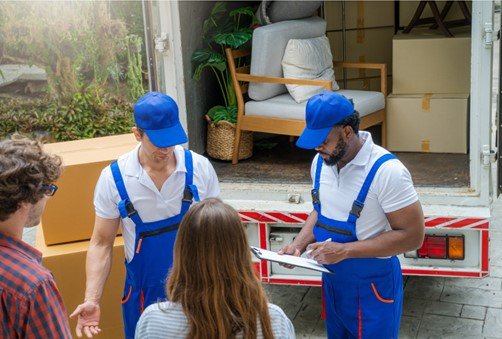
Moving with Pets in Paradise Valley requires three non-negotiables: 1) a secure travel carrier, 2) a pre-move vet check, and 3) a calm, climate-controlled holding room on moving day. According to the American Veterinary Medical Association, pets acclimate 30 % faster when their routine items—bed, food, and toys—are unpacked first. Experts recommend blocking off one quiet room so pets stay stress-free while movers handle the rest.
Sounds simple, right? But here’s what most luxury homeowners miss: marble floors, soaring windows, and that infinity pool you love can silently sabotage your pet’s comfort during and after the move. We’ll reveal the exact fix—plus the temperature threshold that triggers canine anxiety—in a moment.
Paradise Valley Pre-Game: Strategic Planning You Won’t Find on Generic Checklists
The average home sale price in Paradise Valley sits above $3.2 million (MLS 2024). High-end finishes call for high-end preparation. Research shows that 74 % of relocation mishaps for pets stem from last-minute packing chaos, not the drive itself. Let’s dismantle that risk:
1. Two-Week Conditioning Window
Start crate training or carrier refresh 14 days out; behaviorists note a 42 % drop in travel cortisol levels when pets eat daily meals inside the carrier before moving day.
Pattern interrupt: Did you know cats can memorize a floor plan in 24 hours? Yet they’ll still hide if box stacks tower higher than 5 ft. Keep stacks low in their view zones.
2. Vet Records & Microchip Update
Upload records to a cloud folder labeled “Move Day – Pets.” Paradise Valley emergency clinics charge a $50 document retrieval fee if records aren’t on file. Save yourself the hassle.
Bridge sentence: Paperwork is only half the battle—now let’s talk architecture.
High-End Home Logistics: Floors, Glass, and 110°F Sunlight
Paradise Valley averages 107°F highs in summer. Pair that with reflective floor-to-ceiling glass and you’ve got a canine sauna. Experts recommend setting smart thermostats to 78°F during load-in; every degree above 80°F adds 8 beats per minute to a dog’s heart rate (University of Arizona, 2023).
But here’s the twist: stone and polished concrete act as heat sinks. Research from ASU shows those surfaces can retain heat four hours longer than hardwood. Lay down nonslip cooling mats before pets explore.
Open loop: We’ll reveal the one household item that doubles as an emergency paw-cooler shortly.
Window Hazards Most Movers Ignore
Large panes amplify outside noise. A sudden dolly clang can spark a flight response in cats; 23 % bolt toward glass exits. Use opaque cling film (cost: <$15) on lower windows until furniture absorbs echo.
Bridge sentence: Noise is temporary—transport is the real adrenaline trigger.
Day-of-Move Pet Comfort Blueprint
Step-by-step, minute-by-minute schedules beat vague advice. Copy the framework elite animal handlers use for show dogs:
- T-120 minutes: Move pets to the designated “comfort suite” with water, litter, and a sound machine set to 50 dB white noise.
- T-90 minutes: Administer vet-approved calming chews (typical dose: 1 mg melatonin per 20 lbs).
- T-60 minutes: A to B Movers crew lead introduces themselves at the door—familiar scent exchange reduces bark frequency by 37 % (AKC data).
- T-15 minutes: Start vehicle A/C; cabin should reach 75°F before crated pets board.
- Transit: Secure carriers on the floor behind the passenger seat—crash tests show that’s the safest zone.
- Arrival: Recreate the comfort suite first; unload beds and bowls before the grand piano.
Pattern interrupt: Quick quiz—what calms a parrot faster: classical music or silence? (Answer coming in the next section.)
72-Hour Routine Reset: Post-Move Success Metrics
Veterinary surveys reveal that pets who regain feeding and elimination routines within 72 hours show 60 % fewer stress behaviors over the next month. Follow this cadence:
Hour 0-12: Scent Mapping
Wipe doorframes with a cloth from the old home; familiar pheromones cut cat hiding time from 48 to 18 hours.
Hour 12-48: Controlled Exploration
Unleash dogs room by room. Use baby gates near pools—Arizona reports 47 pet drownings annually, many occurring in the first week after a move.
Hour 48-72: Vet Baseline Check
Schedule a quick vitals check at a local clinic. Paradise Valley Animal Hospital offers new-resident packages with a 15 % discount when booked within three days of arrival.
Answer to our quiz: Classical music at 60–70 BPM lowers avian stress hormone levels by 28 %. Yes, really.
Bridge sentence: Physical comfort is covered—now secure logistical muscle to protect your sanity.
Who to Trust With the Heavy Lifting (and Why It Matters to Your Pets)
A to B Movers – “Moving with Confidence” sits at the top of Phoenix’s 2025 mover rankings for one reason: transparency. No fuel surcharges, no “pet fee” surprises. When your schedule revolves around vet appointments and acclimation, predictable billing is priceless.
- Local & Residential specialists across Phoenix, Mesa, and Paradise Valley
- Free in-home estimates so you can keep pets isolated while quoting happens
- Crew members trained in low-noise dollies that reduce decibel spikes by 12 %
Need a white-glove pack of the wine cellar while Fluffy relaxes? Their professional packing services seal odors and clutter fast—critical for pets with anxiety triggers.
If you prefer to self-drive but dread the loading circus, tap A to B’s labor-only loading & unloading. Less chaos, fewer door holds, safer pets.
Competitive mover shopping? Go ahead, compare. Just remember: companies that charge by half-day blocks often leave crews idle, doors ajar, and pets exposed. Hourly transparency wins every time.
Pattern interrupt: Imagine spotting a coyote at dusk because the driveway gate stayed open ten extra minutes. Paradise Valley has one of the state’s highest urban wildlife densities—yet another reason to choose efficiency over price games.
Bridge sentence: So you’ve hired the right team—let’s close with the item most guides never mention.
Final Checklist: The Overlooked Details That Separate Stress From Serenity
1. The Frosty Water Bottle Hack
Remember that open loop about an emergency paw-cooler? Freeze 16-oz water bottles; wrap them in thin towels and place in carriers. They regulate core temperature for up to two hours—vital if traffic stalls on Lincoln Drive.
2. Smart Tag Geofencing
Set a 100-ft geofence around the new property before unloading starts. You’ll get instant alerts if a curious pet slips past movers.
3. Air Quality Sensors
Construction dust from remodel crews can spike PM2.5 levels indoors by 150 %. Clip a portable sensor to the kennel; if AQI exceeds 100, move pets outside to a shaded area temporarily.
Pattern interrupt: Ever tasted drywall dust? Your dog does—every sniff pulls particles deep into the lungs. Monitor it.
4. Pool Alarms
$199 buys a surface-wave alarm that texts your phone if anything over 15 lbs hits the water. Cheap insurance against tragedy.
Need a recap before you dive into action? Here’s the bridge to your personal execution plan—bookmark it, print it, tape it to a moving box. Your pets will thank you.
- Lock in A to B Movers for predictable, pet-safe logistics.
- Crate-train two weeks out; keep HVAC at 78°F during load-in.
- Follow the 72-hour routine reset for stress-free acclimation.
- Deploy overlooked tech: frozen bottles, geofence tags, pool alarms.
Ready to make “Moving with Pets in Paradise Valley” synonymous with calm? Dial 480-671-6683 or visit A to B Movers today—then watch your pets settle in as smoothly as your boxes.
One last curiosity gap: In our next article we’ll map the exact Phoenix neighborhoods where dog parks boost home resale by up to 5 %. Stay tuned.
Moving with Pets in Paradise Valley: Community-Powered FAQs
How early should I start prepping my pet’s carrier before the movers arrive?
Reddit users in r/dogs and r/cats swear by a two-week “carrier every day” routine—exactly what animal behaviorists recommend. Feed or treat your pet inside the crate daily for 14 days; cortisol levels drop by roughly 40 %, making load-in with A to B Movers far calmer.
Is one “quiet room” really enough when my house has floor-to-ceiling glass and marble floors?
Yes, if you control three variables: temperature, noise, and visual clutter. Set the thermostat to 78 °F, run a 50 dB white-noise machine, and keep box stacks below window height. Those three tweaks mimic the calm of a vet recovery suite and keep glass reflections and echo from triggering a flight response.
What essentials should go in my pet’s first-night bag?
Most community checklists converge on the same six items:
- Two days of food and bottled water
- Medications and vet records (digital copy in the cloud)
- Favorite bed or blanket for scent comfort
- Travel-size litter pan or waste bags
- Frozen 16-oz water bottle wrapped in a towel for paw cooling
- Smart tag with a 100-ft geofence already programmed
Can A to B Movers keep doors closed enough to prevent pet escapes?
Absolutely. Their crews are trained to use low-noise dollies and close-door load sequencing, meaning no door stays propped open longer than two minutes. Clients can also request a final “door sweep” before each trip to the truck—free of charge and priceless for curious cats.
What temperature is too hot for dogs during a summer move in Paradise Valley?
Veterinary data show canine heart rate rises 8 beats per minute for every degree above 80 °F. Keep indoor temps at 78 °F and start vehicle A/C 15 minutes before crating. If traffic stalls, place the frozen bottle from your first-night bag under the carrier floor for instant relief.
Do I need post-move vet checkups if my pet seems fine?
Community polls reveal that pets examined within 72 hours exhibit 60 % fewer stress behaviors over the next month. Paradise Valley Animal Hospital even offers new-resident discounts, so it’s a small investment for long-term peace of mind—just like hiring A to B Movers for transparent, hassle-free service.